Pilot Certification P-2
P-2 Paragliding Certification Course (14 Days)
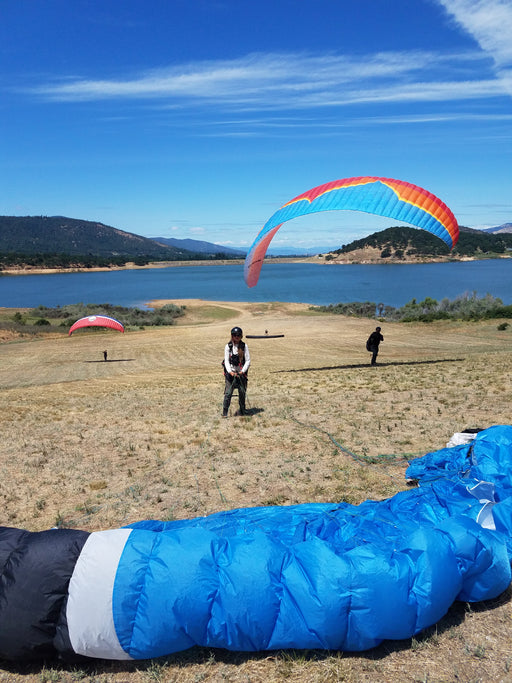
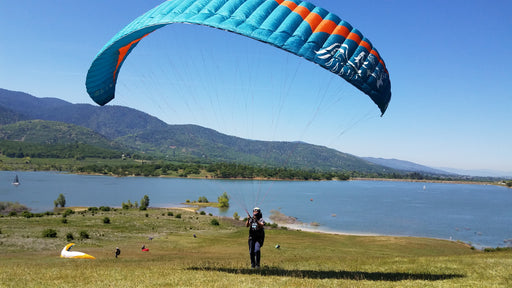
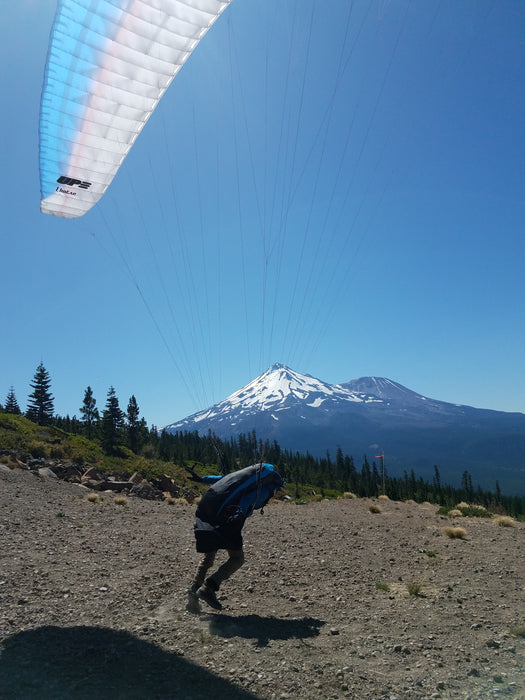
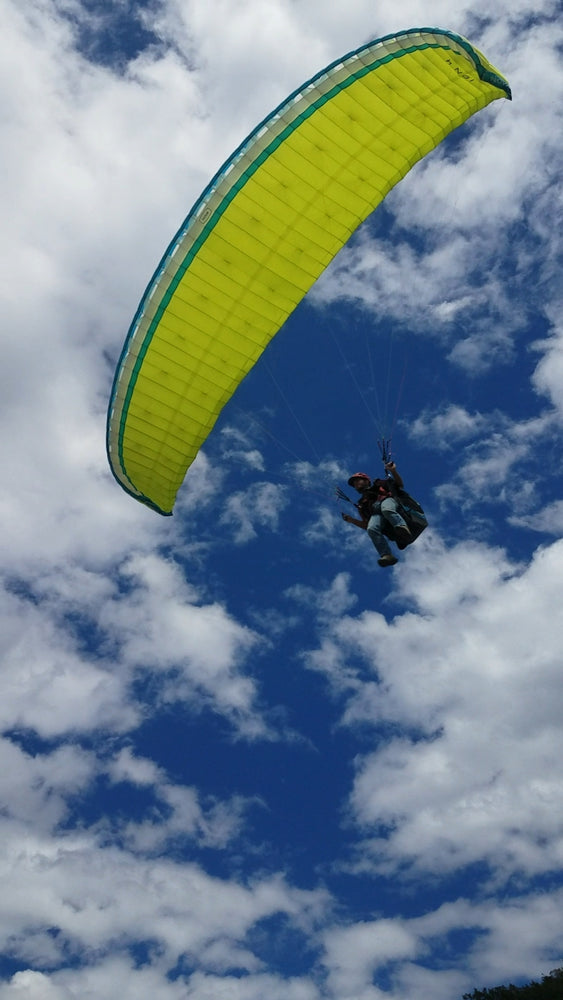
Become a confident, capable pilot with our immersive 14-day training program. You’ll train across two premier flying sites with three distinct launches under expert instruction, building the skills and judgment needed to fly independently.
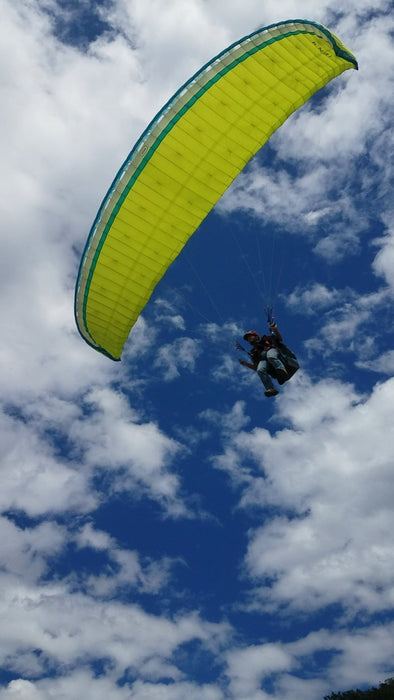
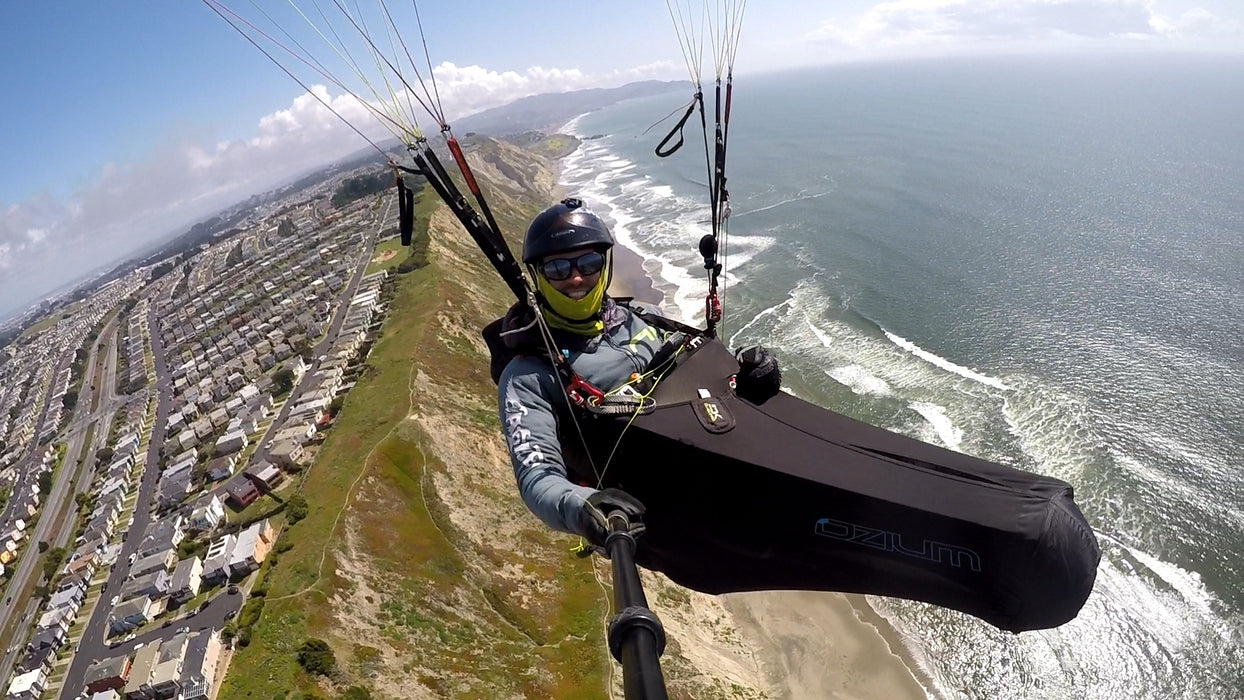
From your first steps on the training hill to your first high flights, this course is designed to turn your passion for flying into a lifelong pursuit.
Throughout the program, you’ll learn to safely launch, fly, and land a paraglider while developing a strong foundation in:
- Meteorology
- Aerodynamics
- Flight planning and decision-making
- Thermal and soaring techniques
- Risk management and site assessment
By the end of the course, you’ll earn your P-2 (Novice) Pilot Certification, giving you the ability to fly at many sites across the country—on your own or within guided environments.
Training Approach
We maintain a low instructor-to-student ratio, ensuring you receive personalized coaching, more flights, and focused feedback throughout your training.
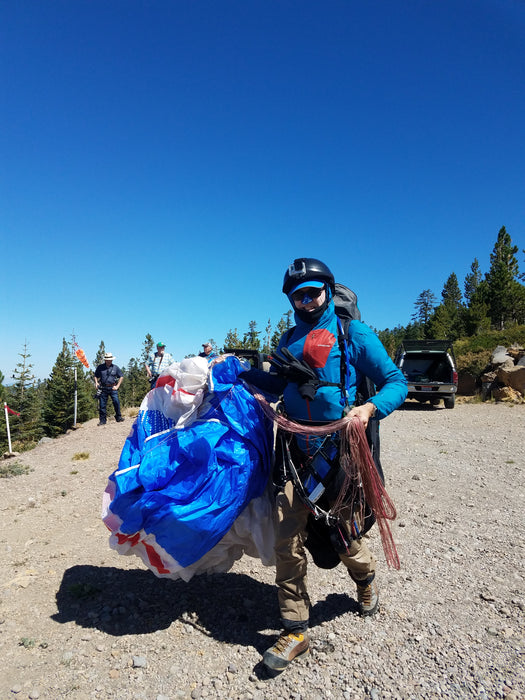
We provide all necessary gear during the first half of the course (typically days 1–6/8), allowing you to learn safely on school equipment. As you progress, you’ll transition onto your own gear to complete your training—an essential step toward becoming a self-sufficient pilot.
To qualify for the $2,800 course price, students are required to purchase their equipment through AirXpansion Paragliding. This ensures you’re flying properly matched, instructor-approved gear from the start, eliminating the risks of incompatible or subpar equipment.
Students who choose to source equipment elsewhere may still enroll in the course at a rate of $4,000.
What’s Included
- 14 days of in-person instruction
- Low instructor-to-student ratio
- Use of training equipment for the first 6–8 days
- 8 hours of in-person ground school
- On-hill video analysis and coaching
- Photo documentation of your training
- Pilot logbook
Requirements
- Must be 18 years or older
- Must be in good physical health and capable of:
- Jogging during launches and landings
- Navigating uneven outdoor terrain
- Hiking up a hill for 4-6 hours per day.
- Jogging during launches and landings
- Must be able to follow the instructor's guidance and communicate clearly via radio
- Must demonstrate a safety-first mindset and sound judgment
- No drugs or alcohol before or during training
- Students must be available for scheduled training days and remain flexible for weather-dependent scheduling
- On-time attendance and full participation are required
- Must use instructor-approved equipment for all training flights
- Personal gear is required for the majority of training
- United States Hang Gliding and Paragliding Association membership is required before solo flight
Equipment Guidance and Student Gear Purchasing
One of the biggest advantages of training through a professional school is having experienced guidance through the equipment selection process. Modern paragliding equipment is highly specialized, and choosing the correct glider, harness, reserve, and accessory setup involves much more than simply finding a wing online at a lower price.
Finding the right wing is often a far more involved process than most new pilots realize. Beyond simply matching a size or certification rating, every used wing has a history that must be carefully evaluated. We need to consider how many hours are on the glider, whether it has ever been towed, exposed to hard UV conditions, improperly stored, packed wet, or subjected to heavy use in strong environments. We also look at porosity, line condition, trim state, whether the wing needs to be tuned, and if it still flies within manufacturer specifications. Even wings that appear clean in photos can have hidden issues that affect safety, performance, longevity, and suitability for a progressing pilot. Properly evaluating all of these factors takes experience, research, inspection, and often communication with previous owners or service records to determine whether a wing is truly appropriate.
Equipment must be properly matched for:
-
Pilot weight and hook-in range
-
Current experience level and progression
-
Flying goals and intended conditions
-
Reserve compatibility and harness geometry
-
Safety certification and wing behavior
-
Age, condition, and maintenance history
-
Long-term progression and support
Because of this, AirXpansion operates as a full-service training and equipment provider. Our training programs are structured with the understanding that students will purchase their equipment through the school. This allows us to provide proper gear matching, sourcing, setup guidance, inspection support, continued mentorship, and long-term instructor assistance throughout your progression as a pilot.
I also ask students to avoid sending online listings or outside gear solicitations for evaluation. Properly reviewing equipment takes significant time and often requires research into condition, sizing, compatibility, certification, age, and suitability for a specific pilot. While I’m always happy to answer reasonable questions and help guide students in the right direction, sorting through numerous outside listings ultimately takes time away from instruction, coaching, weather analysis, flight planning, safety support, and the other areas where I can provide the most value to students.
My goal is to simplify the process for you, help you avoid expensive mistakes, and ensure you end up with equipment that is safe, appropriate, and well-supported for your progression. Rather than navigating the overwhelming online gear market on your own, I encourage students to trust the curated equipment guidance provided through the school.